What changes happen to your skin during Perimenopause and how to support skin health
What changes happen to your skin during Perimenopause and how to support skin health
For many women, perimenopause can feel like a confusing time due to the physical, emotional and hormonal changes they experience. It is a time of transition which usually begins in our late 30's or 40's, and whilst symptoms like irregular periods or hot flushes are well known, the impact on our skin during this time is often unexpected and frustrating.
In this blog, award-winning Aesthetic Doctor and skin health specialist, Dr Christine Or explains what changes happen to your skin during perimenopause and how to support skin health during this transition period.
What is Perimenopause?
Perimenopause is the transitional phase leading up to menopause, due to hormone levels such as oestrogen, beginning to fluctuate and gradually decline. These hormonal changes usually affect multiple systems in the body, including the skin. Our skin is highly responsive to hormones, so even subtle changes or shifts can have visible effects on our complexion.
The skin changes to expect during perimenopause
During perimenopause, fluctuating and gradually declining oestrogen levels can lead to noticeable changes in our skin:
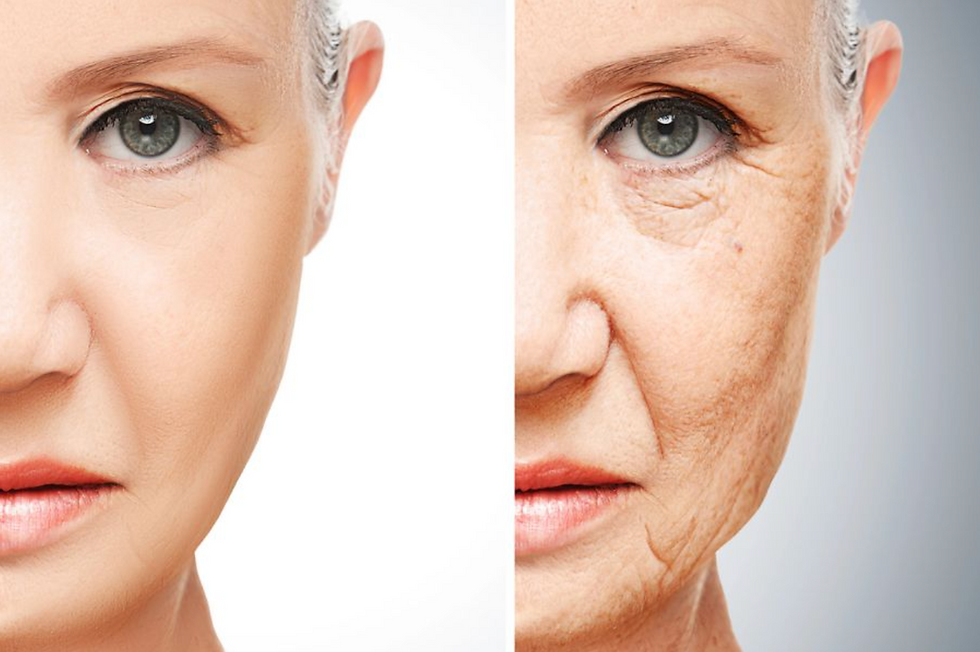
Increased dryness and dehydration: the hormone oestrogen plays a key role in maintaining skin hydration and batter function. As levels fluctuate during perimenopause, women may notice persistent skin dryness, tight and uncomfortable feeling skin.
Loss of firmness and elasticity: oestrogen also supports collagen and elastin production in the skin, so when this hormone starts to decline, it can lead to thinning skin, loss of skin firmness and early sagging, particularly around the jawline, cheeks and eyes.
Breakouts and hormonal acne: fluctuating hormones can increase oil production which may cause breakouts around the jawline and chin, inflammation and congestion.
Increased sensitivity and redness: during perimenopause, women often find their skin becomes more reactive and they have increased sensitivity to skincare products, environmental stressors, heat and stress, all of which can lead to redness, irritation or flare-ups of skin conditions like rosacea.
Slower skin repair and dullness: as we age our cell turnover naturally begins to decline and the hormonal changes during perimenopause can make this more noticeable. Skin texture can become even, dull or tired-looking, and take longer to heal.
How to support skin health during perimenopause
Supporting skin health during perimenopause requires a holistic approach that addresses hormonal changes whilst strengthening the skin's barrier, resilience and long-term function:
Focus on skin barrier health: healthy skin begins with resilience so it is important to support the skin barrier during perimenopause. Dr Christine recommends gentle cleansers that don't strip the skin, barrier repairing moisturisers and to only use active ingredients that are appropriate for your specific skin concerns.
Prioritise hydration and collagen support: the correct medical-grade skincare can help to support skin hydration and protect against further collagen breakdown during perimenopause. Dr Christine recommends products with ingredients such as hyaluronic acid, ceramides, peptides and antioxidants.
Support at-home skincare with in-clinic treatments: treatments such as Profhilo and RF Microneedling can help boost hydration and skin quality, stimulate collagen production and improve the radiance and texture of your skin during perimenopause. Dr Christine is an advocate of combination treatments that are tailored to your specific skin concern and hormonal stage.
Implement a holistic approach: a holistic approach to skin health during perimenopause supports not just how your skin looks, but also how it functions. It is important to prioritise quality sleep, stress management, nutrition and overall wellbeing during this period of transition.
Why Choose Dr. Christine Medical Aesthetics?
Perimenopause is a significant life stage and there is no one-size-fits-all solution for perimenopausal skin. If you are experiencing changes in your skin and would like support and guidance, book your consultation with Dr Christine Or to discuss a personalised treatment plan that supports your skin and wellbeing through this transition with the confidence that you deserve.