When is the right time to start anti-ageing treatments? A decade-by-decade guide

When is the right time to start anti-ageing treatments? A decade-by-decade guide
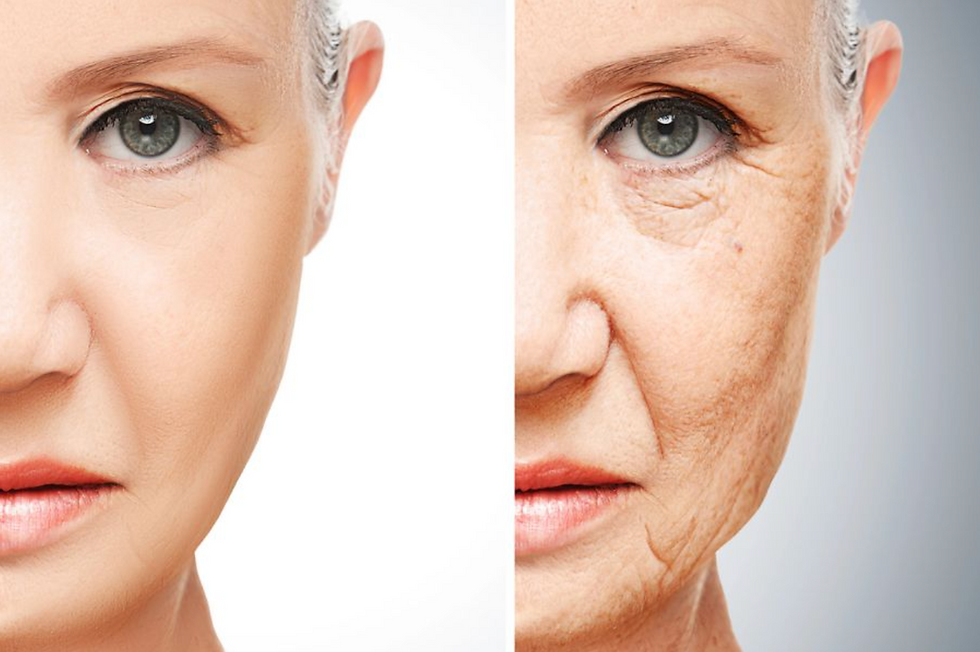
When it comes to ageing well, one of the questions I hear most from my patients is "When should I start anti-ageing treatments and which treatment is best for me?". The answer isn't as simple as choosing a treatment based on a particular age. Every patient is unique and therefore treatment plans should evolve naturally over time to help maintain healthy skin, support collagen production and improve visible signs of ageing.
In this blog, award-winning Aesthetic Doctor and skin health specialist, Dr Christine Or advises on her "less is more" approach to anti-ageing, what you can expect during each decade, and which aesthetic treatments may be worth considering.
In your 20s: Prevention starts with healthy skin
Your twenties are often when your skin is at its healthiest. This is because collagen and elastin production remain high, giving skin its natural firmness and bounce. However, this is also when the effects of lifestyle choices begin to accumulate, and sun exposure, pollution, stress and poor skincare habits can all contribute to premature ageing later in life.
For patients in their 20's I advise focusing on prevention rather than correction, by building healthy skin habits, hydrating the skin, and using SPF daily. It is also beneficial to commit to a consistent skincare routine using medical-grade skincare. Professional skincare products containing ingredients such as vitamin C, retinol and antioxidants can help maintain healthy skin while protecting against environmental damage. A consultation with an Aesthetic Doctor can help you to understand your skin's needs before concerns develop and create a personalised skincare plan tailored to you.
In your 30s: The first signs of ageing appear
Many patients in their thirties often notice subtle changes and begin to see the effects of ageing. These can look like fine lines around the eyes, forehead lines becoming more visible, early facial volume loss and more dull or lacklustre skin. This is because collagen production naturally begins to decline from our mid-to-late twenties, with gradual changes becoming more noticeable throughout our thirties.
There are some great aesthetic treatments to consider if you have started to notice visible signs of ageing, and some of my favourites are:
Anti-wrinkle injections: small, carefully placed doses can soften expression lines while helping to prevent them becoming deeply etched over time. The goal should not be to remove facial movement but instead create a fresher and more relaxed appearance.
Profhilo: this award-winning injectable hyaluronic acid treatment stimulates collagen and elastin whilst deeply hydrating the skin, making it an excellent choice for patients seeking natural skin rejuvenation.
In your 40s: Supporting volume and skin quality
During their forties, patients often experience hormonal changes and continued collagen loss leading to common concerns such as a loss of facial volume, reduced skin firmness, more visible jowls and deeper lines around the mouth.
At this life stage, I often advise my patients that a combination of treatments is the best approach to achieve natural and subtle results such as:
EMFACE®: an innovative, non-invasive treatment that simultaneously strengthens facial muscles whilst stimulating collagen and elastin production. It can help improve facial definition and create a subtle lifting effect without needles or surgery.
RF Microneedling: this treatment stimulates collagen deep within the skin leading to improvements in skin texture, fine lines, acne scarring and mild skin laxity.
Dermal fillers: rather than just creating volume, my approach is to focus on restoring what has naturally been lost. Small amounts of filler can provide gentle support to areas such as the cheeks, temples or chin while maintaining natural facial proportions in a subtle way.
In your 50s and 60s: Restoring confidence naturally
For patients in their fifties and sixties, going through menopause often has a significant impact on skin health. Many women notice an increase in skin dryness, a loss of elasticity, more pronounced lines and facial volume changes leading to jowls and sagging. At this stage, I advise that as well as treating wrinkles, it is important to improve overall skin quality and facial balance through treatments such as:
The 8 Point Face Lift: this treatment is designed to restore facial support using strategically placed dermal filler. So rather than changing your appearance, it can help to restore youthful contours and improve facial harmony creating a subtle lift.
Polynucleotides: these treatments work by supporting the skin's natural regeneration processes to help improve skin quality, texture and elasticity. They are an excellent option for patients seeking natural rejuvenation.
Combination treatments: many of my patients benefit from combining treatments which work together to address multiple aspects of ageing for more comprehensive results.
Every face ages differently
There is no correct age to begin aesthetic treatments, especially because some patients will develop expression lines in their late twenties, while others may not seek treatment until their fifties. There are many factors which influence skin ageing such as genetics, sun exposure, lifestyle choices and stress, so a personalised consultation with an Aesthetic Doctor is often the best starting point.
Why choose Dr. Christine Medical Aesthetics?
Whether you've noticed your very first fine line or simply want to maintain healthy and radiant skin, book your consultation with Dr Christine Or today to discuss a tailored skincare and treatment plan that is appropriate for your stage of life.